 Foshan Shengduan Door Industry Co., Ltd.
Focus on intelligent travel management equipment, one-stop service experts
Foshan Shengduan Door Industry Co., Ltd.
Focus on intelligent travel management equipment, one-stop service experts
Consultation Hotline: 18029207774
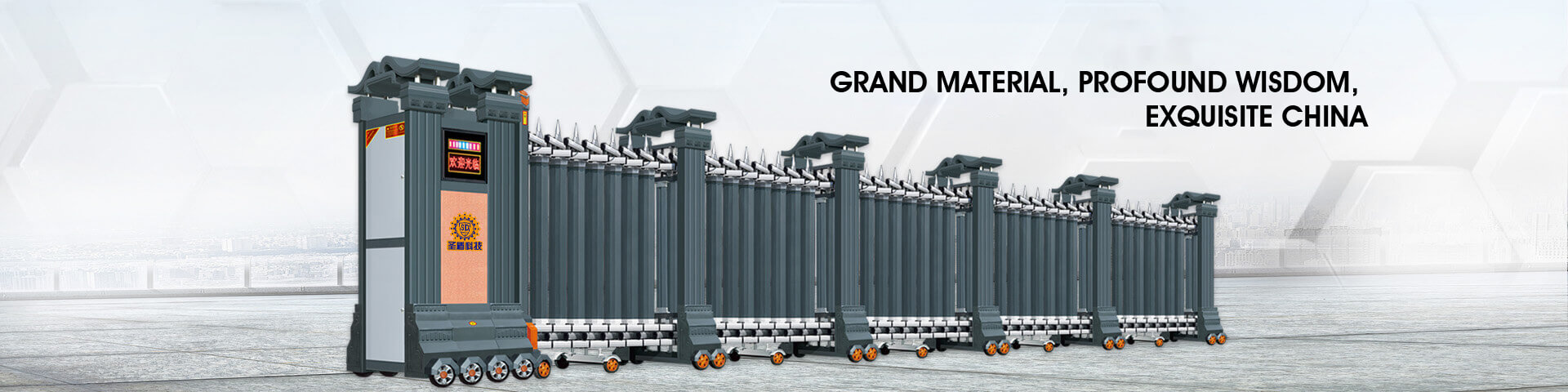
The difference between electric sliding gates and barrier gates
Electric retractable gates and electric barrier gates are widely used at the entrances of residential areas, enterprises, and warehouses to manage the entry and exit of vehicles. So what are the differences between them? The editor has consulted the following information and hopes it can be helpful to you:
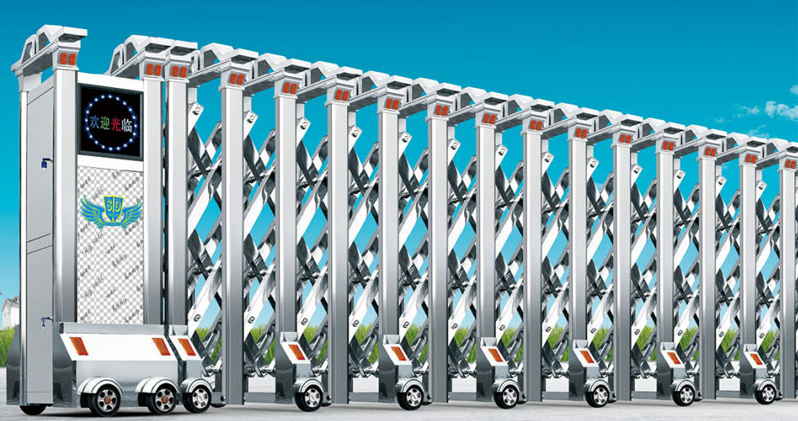
The electric telescopic door is mainly composed of the door body, the driver, and the control system. The door body of the telescopic door is made of high-quality aluminum alloy and ordinary square tube materials, and is hinged according to the parallelogram principle, with flexible and large telescopic travel. The driver of the telescopic door is driven by a special motor, with worm gear and worm wheel reduction, and is equipped with a manual clutch. In case of power failure, it can be manually opened and closed. The control system of the telescopic door includes a control board, button switches, and can be equipped with a wireless remote control device according to the user's needs.
The electric gate can be raised and lowered independently through remote control, or it can be automatically managed through the parking lot management system (i.e., the IC card-based management system). Depending on the usage location of the gate, the gate rods can be straight rods, 90-degree curved rods, 180-degree folding rods, or fences, etc. The gate is composed of a reduction gearbox, motor, (or hydraulic) transmission mechanism, balance device, cabinet, gate rod support, and gate rod, etc.
The above are the differences between electric sliding gates and electric barrier gates. Generally speaking, the latter is more prone to problems such as inability to raise or lower the gate, improper movement of the gate rod, or excessive shaking. When choosing, the key for users is to select a solution that is suitable for the actual situation of the site and practical for traffic management.
Company telephone:0757-87572578
E-mail:2483999500@qq.com
Address:Dengjia Village Industrial Zone, Nan'an, Xishan Subdistrict, Sanshui District, Foshan City
Service Hotline 18029207774

Copyright © 2019 Foshan Shengdun Door Industry Co., Ltd